
 Share this
Summary:
In a significant shift in global pulse trade dynamics, India has substantially increased its imports of chickpeas and lentils from Australia and Canada. October 2023 marked a seven-year high for Australian chickpea exports, with India emerging as the primary buyer. This trend, coupled with steady imports from Canada, suggests a strategic build-up of pulse inventories in India.
Record-Breaking Trade Volumes
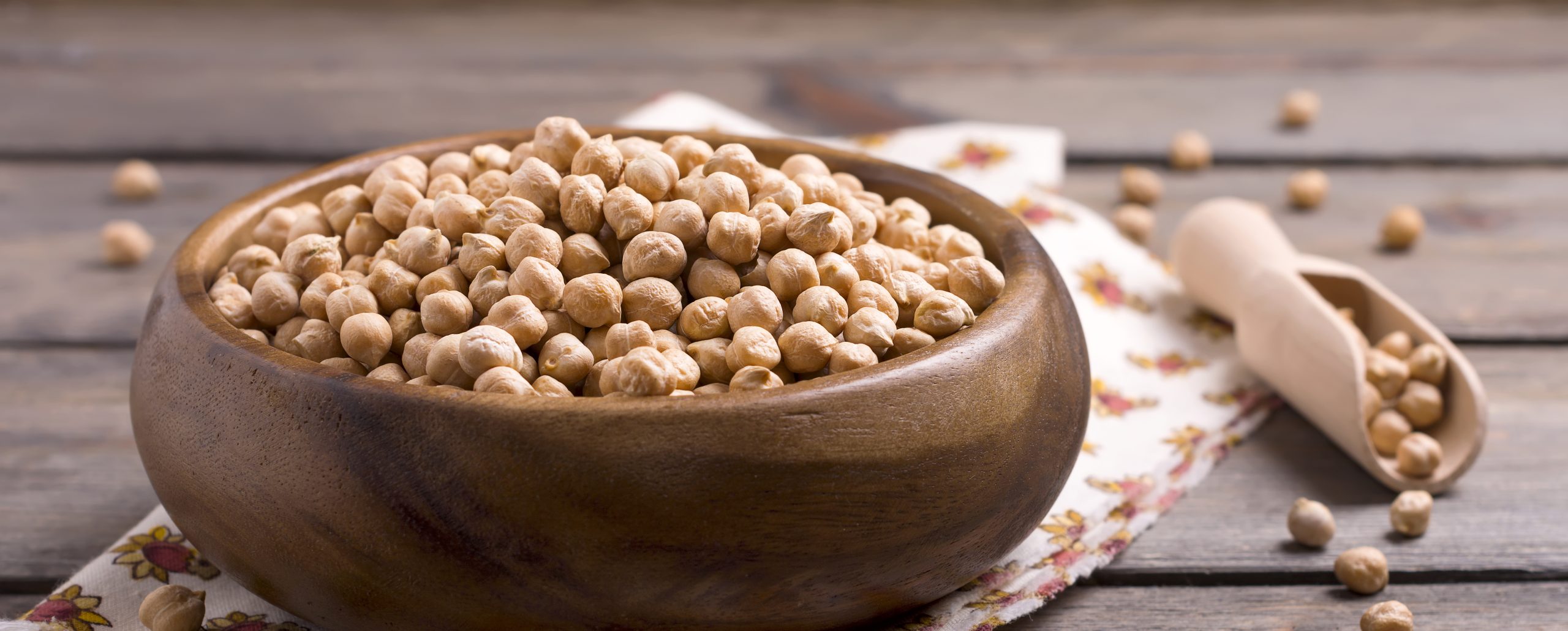
Australia's chickpea exports reached an impressive 109,622 tonnes in October 2023, the highest since 2017's peak of 136,891 tonnes. India dominated these purchases, acquiring 82,418 tonnes - a volume nearly equivalent to Australia's total chickpea exports for the entire 2023-24 season.
While India led October's purchases, other significant buyers in the 2023-24 season included:
- Pakistan: 94,067 tonnes
- Bangladesh: 161,169 tonnes
Canadian Exports Show Strong Growth
Canada's pulse exports to India have shown remarkable momentum:
- 594,514 tonnes of peas and lentils exported to India in the first quarter of 2024-25
- October saw India importing 126,312 tonnes of lentils, representing 38% of Canada's total lentil exports
- Overall lentil exports are up 17% this marketing year, reaching 564,834 tonnes
Australian Lentil Trade
Australia's October lentil exports reached 29,888 tonnes, distributed among key buyers:
- India: 10,952 tonnes
- Sri Lanka: 7,615 tonnes
- Bangladesh: 4,943 tonnes
- Pakistan: 3,412 tonnes
Market Impact and Price Dynamics
The surge in imports is significantly influencing India's domestic pulse market. With India maintaining its duty-free import window, particularly for yellow peas, the volume of imports is expected to continue rising. This has created a challenging environment for domestic pulse growers, as prices for most pulses, except pigeon peas, are trading lower than the previous year.
Conclusion
The current trend in pulse trade reflects a complex interplay of food security considerations and market dynamics. While India's aggressive import strategy ensures robust domestic supplies, it presents challenges for local pulse producers. This situation underscores the need for a balanced approach that addresses both food security concerns and the sustainability of domestic pulse cultivation. Market participants should closely monitor these developments as they could significantly impact global pulse trade patterns and pricing in the coming months.