
 Share this
India is considering long-term assured access for Canadian yellow peas at a time when global pulse prices are depressed and growers in Canada are rethinking crop choices. The move could help India manage food inflation while offering Canadian farmers a crucial lifeline in an increasingly competitive world market.
Introduction
During a visit to Saskatchewan’s Agribition farm show, Indian High Commissioner Dinesh Patnaik indicated that New Delhi is evaluating whether to give Canadian peas more predictable entry into India’s pulses market. His comments come as Canadian growers face weak prices, new tariffs, and shrinking global competitiveness.
What Triggered India’s Consideration?
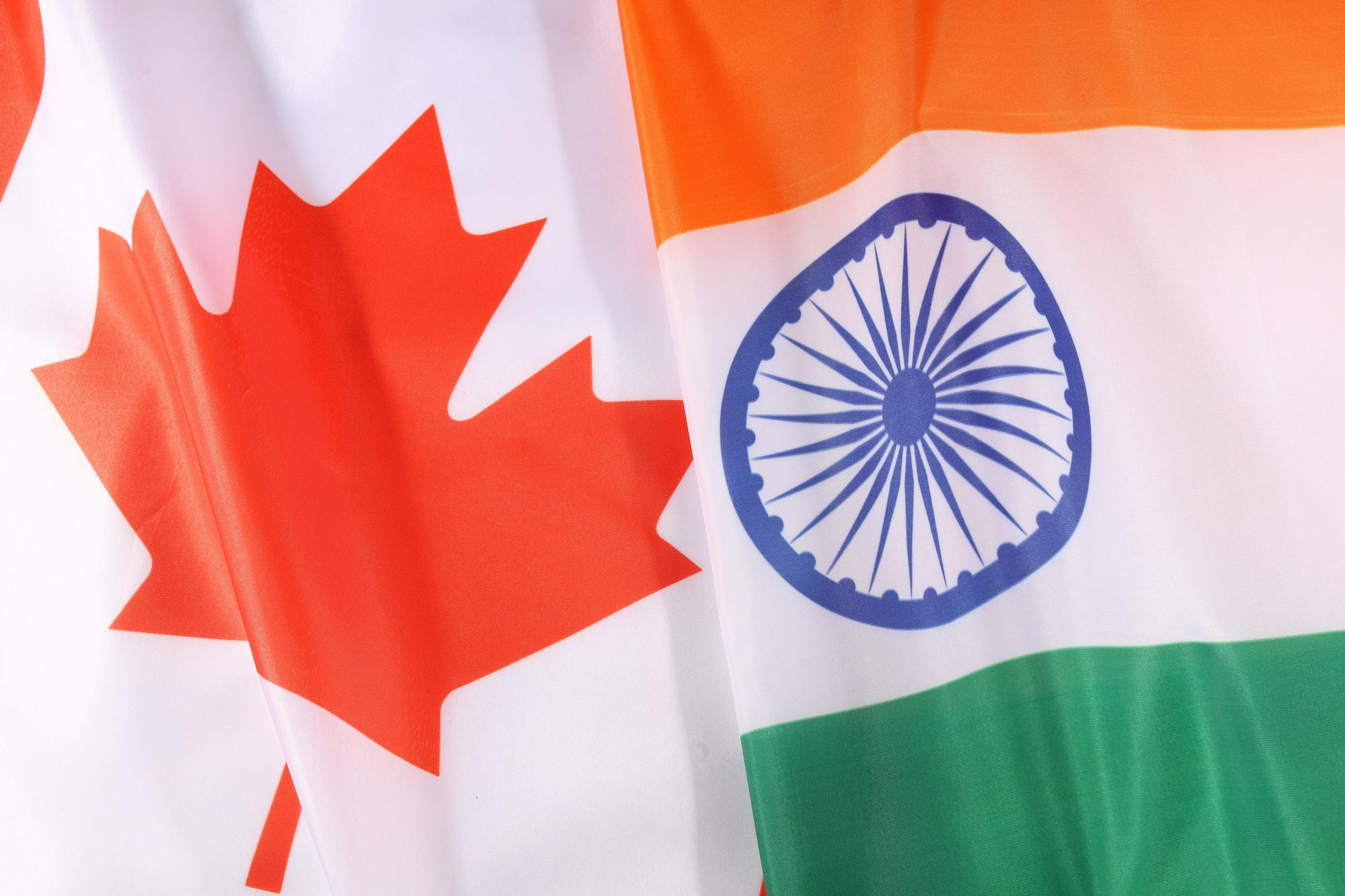
India and Canada are in the process of resetting relations under new Prime Minister Mark Carney. Within this environment, agricultural cooperation — particularly in pulses — is a natural area for rebuilding trust. Assured access could become a part of a broader trade agreement currently under discussion.
Challenges Facing Canadian Pulse Growers
Price Crash and Tariff Shock
Yellow pea prices have fallen to around $350/tonne, nearly 20% lower than last year. Grower sentiment is low due to:
- India’s 30% import duty on yellow peas
- China’s 100% tariff on Canadian peas
Many farmers at Agribition said they may stop cultivating peas next season.
Competition From Russia and Ukraine
Russia has surpassed Canada as China's top pea supplier and is now entering the Indian market.
- Russia/Ukraine to India: $345/tonne
- Canada to India: $350/tonne
- Russia to China: $310/tonne
- Canada to China: $315/tonne
Small price gaps are enough to shift bulk demand.
Pressure in Lentils Too
Canada is losing competitiveness in lentils:
- Australia’s red lentils to India: $515/tonne
- Canada’s red lentils: $540/tonne
- Russia’s green lentils: $575/tonne
- Canada’s green lentils: $640/tonne
This further strains grower profitability.
Why India Needs Assured Yellow Pea Supplies
Managing Food Inflation
Yellow pea imports help India stabilise food inflation during years when domestic pulse crops underperform.
A Cheaper Substitute for HoReCa
Yellow peas are widely used in the hotel, restaurant and catering industry as a cost-effective substitute for pigeon peas and black matpe, keeping protein affordable.
Strengthening Diplomatic Ties
A long-term sourcing arrangement supports New Delhi’s efforts to rebuild relations with Ottawa while ensuring reliable external supplies.
Canada’s Competitiveness Has Eroded
Canada’s production outlook for the 2025–26 marketing season is strong:
- Total peas: ~4 million tonnes
- Yellow peas: ~2.75 million tonnes
- Lentils/other pulses: >3.5 million tonnes
However, last year’s record production created a supply glut that is now depressing prices.
Lessons From India’s African Pulse Agreements
India previously secured long-term pigeon pea supplies from Mozambique, which agreed to supply 500,000 tonnes annually. Despite occasional issues, these agreements helped India manage inflation and maintain reliable access to cheaper protein sources.
A Changing Global Pulse Market
India imported over 2.5 million tonnes of yellow peas in 2024, giving it significant influence over global markets. Canada, meanwhile, is dealing with oversupply, lost market share, and aggressive competition from Russia and Ukraine.
Conclusion
India’s consideration of assured Canadian yellow pea access reflects a strategic blend of inflation management, supply security, and diplomatic recalibration. For Canada, such an arrangement could stabilise a struggling sector. The resulting agreement has the potential to reshape global pulse trade for years ahead.