
 Share this
The global grains complex has opened 2026 on a positive note, with wheat, corn, and soybeans posting early gains. While the price uptick is modest, the drivers vary across commodities and point to shifting supply and demand dynamics.
Wheat prices on the Chicago Board of Trade are trading near $5.20 a bushel, up nearly 2.5% since the start of the year. The main support is coming from concerns over the US winter wheat belt, where dry conditions persist across key producing states such as Kansas. These weather stresses are likely linked to the ongoing La Niña pattern in the Pacific, which, even if it fades next month, may leave parts of the Americas short of moisture.
Crop conditions across the US Plains remain uneven, and analysts expect prices to stay supported in the near term as most bearish factors are already priced in. Winter wheat plantings in the US are expected to decline, while production losses in Ukraine contrast with strong Russian exports from the Black Sea. Canada’s wheat exports are also moving at a steady pace. Still, ample global supplies, including a record harvest in Argentina, are expected to cap any sharp rally.
Corn prices have also edged higher, supported by expectations of lower acreage and improving demand. The US Department of Agriculture projects corn plantings to fall by more than 3 million acres to about 95 million acres. Corn futures have gained around 1.5% so far this year, with March contracts trading near $4.45 a bushel. Prices could strengthen through March, though the next major trigger will be the USDA’s WASDE report, amid speculation that ending stocks for 2025–26 may be revised lower.
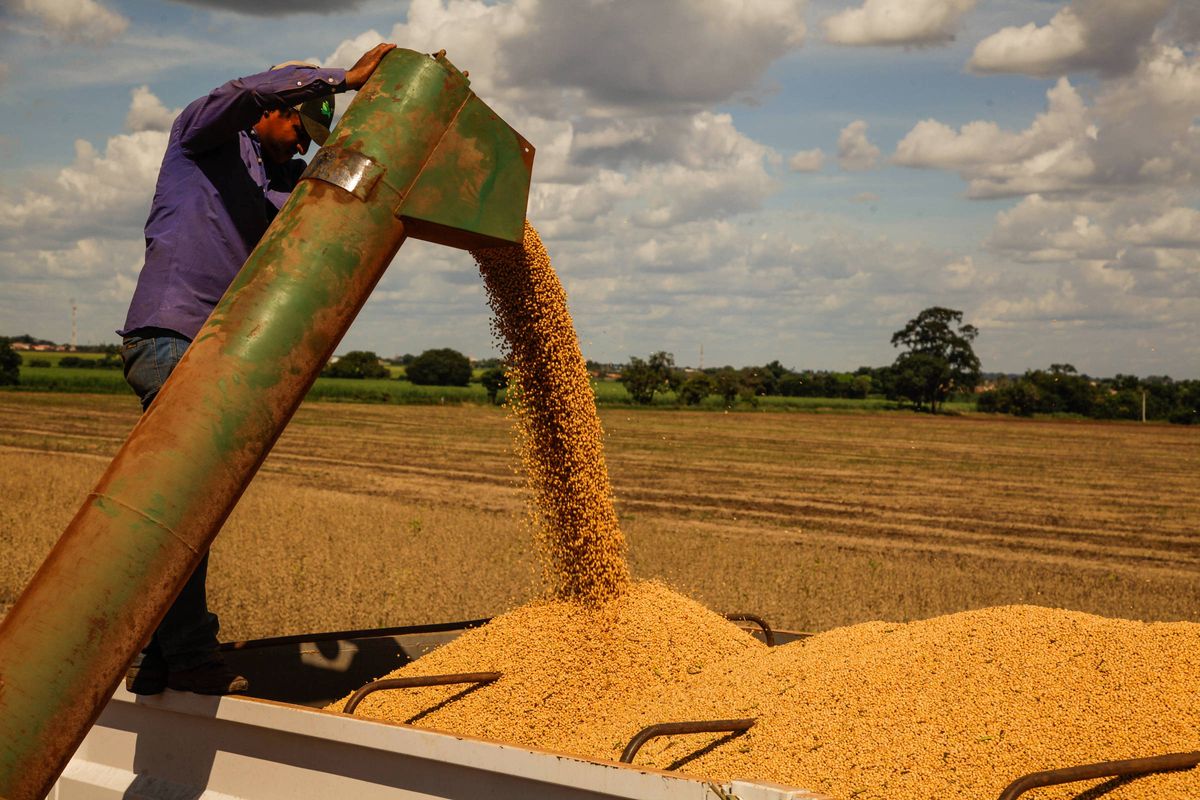
Soybeans are benefiting from renewed Chinese buying interest. Prices have risen nearly 2% in early 2026, with CBOT futures trading around $10.53 a bushel. Market reports indicate that China’s state grain stockpiler, Sinograin, has purchased around 10 cargoes of US soybeans this week. These purchases suggest Beijing may still meet its commitment to buy 12 million tonnes of US soybeans by February.
That said, US farmers remain cautious. China continues to source the bulk of its soybean needs from Brazil, relegating the US to a smaller role in global trade. This has renewed pressure on Washington, with US growers urging the administration to act against imports of biofuels, particularly canola oil from Canada, which they see as intensifying domestic competition.
Overall, while grains have started 2026 on a firmer footing, ample supplies and policy risks mean rallies are likely to remain measured rather than explosive.