
 Share this
Summary:
Australia’s agricultural exports to India hit a record high in 2024–25, driven overwhelmingly by chickpeas, which surged more than 2,400%. But as the new season unfolds, cotton — boosted by India’s duty waiver — is emerging as the commodity to watch. Almonds, lentils, and even wheat are also showing steady upward trends.
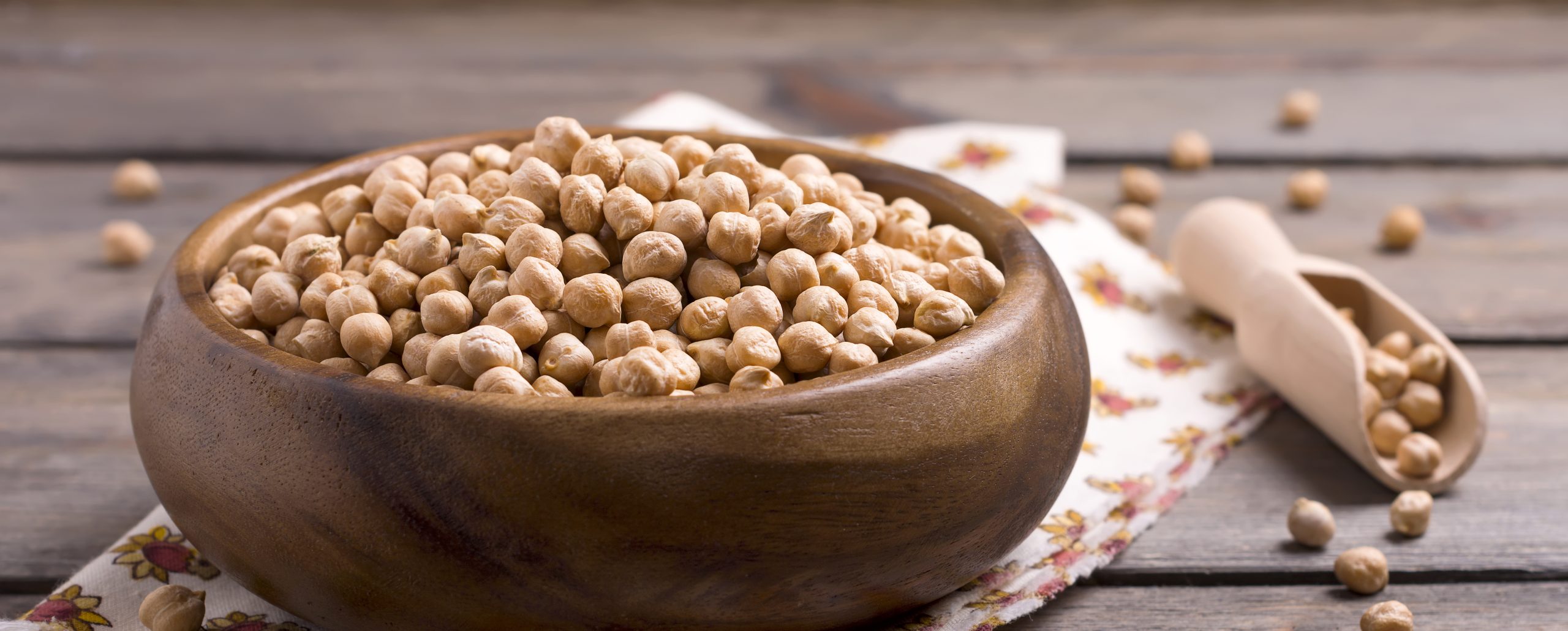
Chickpeas drive Australian agri exports as India’s record purchases reshaped bilateral trade in 2024–25. Australia exported A$3,030.79 million worth of agricultural commodities to India, nearly half of which came from chickpeas alone at A$1,470.71 million. This represented a stunning 2,461% jump, with volumes rising to 1.46 million tonnes thanks to an exceptional crop. Cotton followed as the second-largest export at A$431.30 million — rising one-and-a-half times from the previous year — while lentil shipments were valued at A$393.77 million despite falling nearly 47% in volume.
India’s chickpea imports from Australia surged from under 56,000 tonnes in 2023–24 to 1.46 million tonnes. Cotton volumes also rose sharply by 171% to 146,117 tonnes. But lentils recorded the steepest drop, falling to 415,247 tonnes. As the current marketing year progresses, chickpea shipments have slowed dramatically, while cotton is gaining momentum.
The shift becomes clearer in the July–September data: India imported 97,618 tonnes of cotton, aided by the removal of the 11% import duty until December 31, 2025. Chickpeas, on the other hand, have not crossed 10,000 tonnes this season. Lentils are showing positive traction at nearly 75,000 tonnes during this period.
Almond imports from Australia continue their steady rise — up 48% in value and 29% in volume last season — with 2024–25 expected to follow the same upward path. Even walnut shipments, though still small, are beginning to pick up. Wheat imports have climbed to a five-year high of 117,285 tonnes, with expectations of modest additional purchases despite India’s strong domestic harvest.
Australia’s growing focus on India is strengthened by the ECTA trade agreement, which provides preferential duties on key products such as lentils. Even if chickpea volumes weaken this year, Australia remains a strategically important supplier that can support India’s food security and fill supply gaps. Its cotton, in particular, is positioned to help Indian textile exporters enhance global competitiveness on both quality and cost.
Conclusion:
Australia’s export relationship with India is evolving. Chickpeas dominated last year, but this season signals a pivot toward cotton and consistent growth in almonds, lentils, and wheat. With ECTA advantages and India’s rising demand cycles, Australia is set to remain a dependable agri-trade partner — offering India both supply security and competitive raw materials.